
Are You Attached to Your Spiritual Awakening
Jun 03, 2026Why clinging to calm - is still clinging.
By Harsha · KindnessCode.org · 6 min read
─────────────────────────────────────────────────────────────
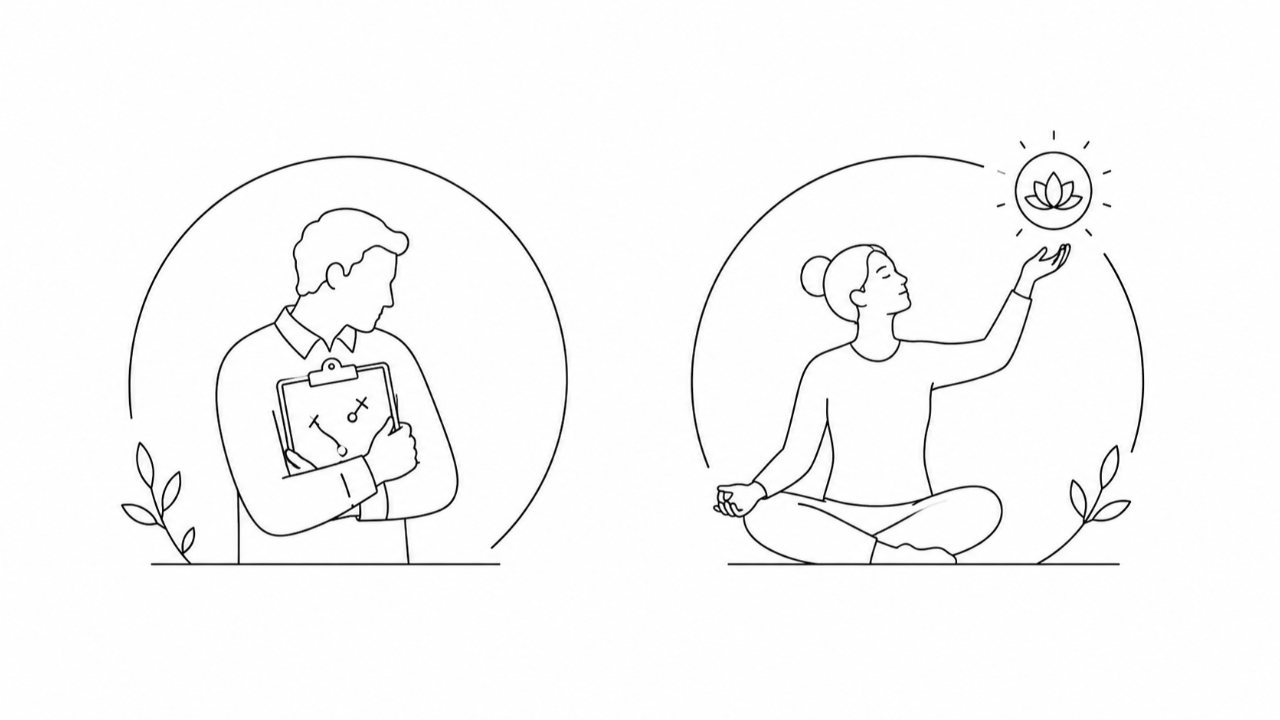
Marcus had been coaching youth football for eleven years. He had a system — warm-up drills, positional rotations, a particular way of giving feedback that he called "firm but fair." It had worked. Championships, proud parents, kids who went on to play at county level. He knew what he was doing.
Then a new generation arrived. Different kids, different dynamics. A few parents mentioned that some players felt talked over. Two of his best players quietly stopped enjoying training. The assistant coach suggested trying a more collaborative approach — letting the teenagers have some voice in their own development. Marcus listened. Nodded. And then changed nothing.
He told himself it was experience talking. That young people needed structure, not conversation. But underneath, if he was honest, there was something else: his method was him. To question it felt like questioning eleven years of who he was.
By the end of the season, three players had moved clubs.
Now consider a meditator who found a state of extraordinary stillness on her third retreat. The breath slowed. The mind opened like a hand uncurling. For six days, something she could only call peace was just there. Back home, every sit becomes a search for that state. When it doesn't arrive, she feels she is failing. The practice has become a chase.
Different people. Different pursuits. Same trap.
❝ The object of clinging differs.
The mechanism of suffering is identical. ❞
─────────────────────────────────────────────────────────────
Two Kinds of Clinging
─────────────────────────────────────────────────────────────
Buddhism identifies this pattern with precision. The Pali Canon distinguishes between two related but different forms of attachment at work here.
"My method is proven." "My system is correct." "I know what works."
The approach has become identity.
▌ TAṆHĀ + UPĀDĀNA — Craving and clinging to experience
"I want that peace to return." "I need this state."
"Why can't I find what I had last week?"
The experience has become possession.
One is clinging to an idea. The other is clinging to a feeling. But watch the mechanism underneath — it is the same movement of mind in both cases:
· Wanting it to continue
· Holding on tightly
· Defending it
· Repeating to recreate it
· Suffering when it shifts
Marcus defends his coaching philosophy well past the point of evidence. The meditator forces a posture and breath pattern, trying to reproduce the conditions of grace. Neither notices that the grasping itself is what disturbs the thing they are reaching for.
─────────────────────────────────────────────────────────────
A Story from the Pali Canon
─────────────────────────────────────────────────────────────
[ BUDDHIST STORY ]
The monk Sona practised walking meditation with such intensity that his feet began to bleed. His determination was genuine, but underneath it lay a kind of striving — a wish to force the fruit. The Buddha visited him and asked a question: "When you played the veena, was it best when the strings were too tight, too loose, or in tune?" Sona said: "In tune, Bhante." The Buddha replied: "So too with energy applied to practice." Effort is necessary. But efforting toward a destination — clinging even to liberation — tightens the strings past their point of resonance.
The Buddha was not telling Sona to stop practising. He was pointing at something subtler: the quality of attention behind the effort. Use samādhi as a tool, the teaching suggests — not as a trophy.
─────────────────────────────────────────────────────────────
The Subtlety with Meditation States
─────────────────────────────────────────────────────────────
Here is where it becomes genuinely nuanced. The Buddha encouraged samādhi. Calm, concentration, the jhānas — these are part of the path, not departures from it. The problem is not the state itself. The problem begins the moment a subtle voice says:
"This peace is mine. I must keep it. I need to feel this way."
At that moment, the path has become another possession. Awakening has become a brand. The spiritual journey has become another story about the self — a more refined story, perhaps, but still a story held tightly.
A meditator attached to tranquillity is not so different from a coach attached to a method that stopped working. Both are reaching backward in time, trying to repeat a past state. Both mistake a condition for an identity.
─────────────────────────────────────────────────────────────
The Question That Cuts Through Both
─────────────────────────────────────────────────────────────
There is one question that works equally well for coaching methods, parenting approaches, management styles, meditation states, spiritual progress — even the idea of "my path to Nibbāna."
❝ Am I using this as a tool —
or am I deriving my identity from it? ❞
A tool can be put down. You can hold it differently. You can exchange it for a better one when conditions change. Identity cannot be put down without a small grief — which is precisely how you know the difference.
The wisdom is not in rejecting the method or rejecting samādhi. Both are valuable. Both are part of how we learn and grow. The wisdom is in holding them lightly — using both while remaining genuinely willing to release them when the moment calls for it.
That willingness is where upekkhā — equanimity — begins to mature. Not as flat, detached indifference. But as a stable ground from which you can engage fully, and then let go fully, without the self being threatened either way.
Marcus's best season might still be ahead of him. But only if he can separate his identity from his clipboard.
─────────────────────────────────────────────────────────────
A 60-Second Reset for This Pattern
─────────────────────────────────────────────────────────────
Try this the next time you feel resistance to changing your mind:
1. Pause. Notice the tightness — where is it in the body?
2. Name it honestly: "I am holding this because it feels like me."
3. Ask: Is this still serving the situation, or am I serving it?
4. Breathe once. Let the question sit without forcing an answer.
5. Return — with the same information, held slightly more loosely.
You do not need to abandon your view or your stillness. You only need to stop gripping. The string plays better in tune.
─────────────────────────────────────────────────────────────
May your conviction be strong and your grip be light. 🙏
─────────────────────────────────────────────────────────────
Don't miss a beat!
New moves, motivation, and classes delivered to your inbox.
We hate SPAM. We will never sell your information, for any reason.